Why Choose Us
Large Factory Area
The resin factory is located in Shanghai, with more than 15 acres of factory buildings and land reserves, employing more than 300 technical personnel and more than 500 employees. The DFPA factory is located in Northeast China, with 20 acres of factory buildings and land reserves, more than 200 technicians and more than 300 employees.
Quality Assurance
We have a complete quality management system and automated production equipment. The entire production process operates under the ISO9001 quality management system. And we have GB/T24001-2016//ISO14001:2015, GB/T19001-2016//ISO9001:2015, GB/T28001-2011 //OHSAS18001:2007 and GB/T23331-2012//ISO50001:2011//RB/ T 114-2014 certificates.
Rich Products
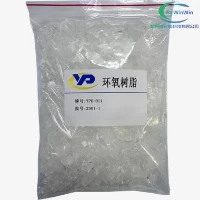
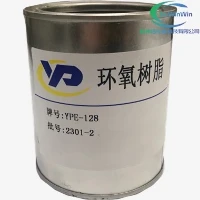
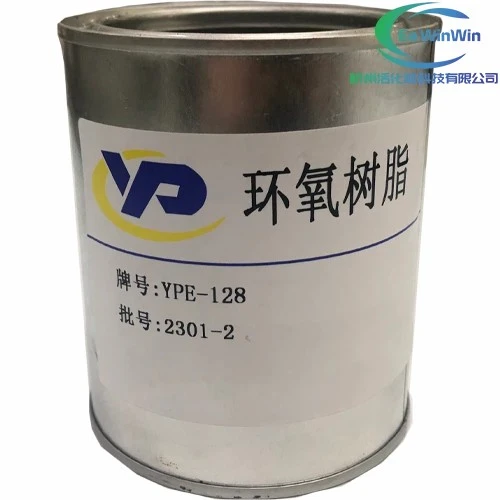
Our company mainly produces epoxy resin for coatings, epoxy resin for electronics, epoxy resin adhesives, epoxy resin for wind power generation, pesticide intermediates, etc. And epoxy resin is widely used in various types of coatings, electronic packaging, adhesives, wind power composite materials and other fields.
Rich Experience
Our company was established in 1999 and has been working in the field of resin chemicals for more than 20 years. Currently, it can produce more than 5,000 tons of new pesticide intermediates every year; and the company has the most advanced laboratories.
Epoxy anti-corrosive paint is a specialized type of coating that combines the protective properties of epoxy resins with corrosion inhibitors to prevent the deterioration of surfaces caused by environmental factors such as moisture, chemicals, and UV radiation. The epoxy component forms a tough, durable film that adheres strongly to various substrates, including metals, concrete, and masonry. The anti-corrosive aspect typically involves additives or pigments that help to shield the underlying material from corrosive elements.


Below the product list
|
Appearance |
Flat and smooth |
|
Color |
Iron red |
|
Fineness μm |
≤25 GB/T6753.1-2007 |
|
Viscosity (KU) |
≥120 GB/ T9269-2009 |
|
Gloss (40°, %) |
10-30° GB∕T9754-2007 |
|
Adhesion (cross-cut method) level |
≤0 GB∕T9286-1998 |
|
Impact (kg.cm) |
≥50 GB∕T1732-1993 |
|
Flexibility (mm) |
≤3 GB∕T1731-1993 |
|
Hardness |
≥2H GB∕T6739-2006 |
|
Water resistance (dry film thickness>80μm) |
≥240h GB/T1733-1933 |
|
Salt spray resistance (dry film thickness> 80μm) |
≥300h GB/T1771-2007 |
|
Drying time |
GB∕T1728-1979 |
|
Surface dry (25℃, h) |
2h |
|
Hard work (25℃, h) |
24h |
Features of Epoxy Anti Corrosive Paint
Anti Corrosive Epoxy Paint has excellent adhesion resistance to chemical corrosion, good alkali resistance, and hard coating.
This product of ours is a water-based environmentally friendly product, using water as a thinner, non-flammable, non-explosive, fast drying, good construction performance, and good adhesion to pre-treated steel plates.
It can be applied underwater, easy to paint, strong adhesion, low shrinkage after curing, smooth surface after application, no bubbles, and more beautiful.
It's resistance is also very good, with excellent wear resistance, impact resistance, good acid resistance, alkali resistance, salt resistance, and long service life, which greatly reduces the time and cost of future repairs and maintenance, and improves Anti-corrosion object productivity.
What are the categories of Epoxy Anti Corrosive Paint coatings?
Classified by chemical composition
Divided into: Acrylic anticorrosive paint, polyurethane anticorrosive paint, inorganic anticorrosive paint, epoxy anticorrosive paint, perchloroethylene anticorrosive paint, high chlorinated polyethylene anticorrosive paint, chlorinated rubber anticorrosive paint. These kinds of imitation decay paints have different functions due to their different main chemical components. They are suitable for different kinds of objects. Among them, perchloroethylene anticorrosive paint is suitable for the surface of wood and construction metal. It can also prevent the corrosion of acidic and alkaline substances of chemical products.
Classification by functions
It is divided into seven categories: Furniture anticorrosive paint, metal anticorrosive paint, marine anticorrosive paint, automotive anticorrosive paint, steel structure anticorrosive paint and rubber anticorrosive paint. The classification of anticorrosive paints has special physical and chemical reasons. We must be careful when selecting them. Never mix different types of paints or choose paints in other fields.
Classified by solvent
Divided into: Water-based anti-corrosive paint and oil-based anti-corrosive paint. Water-based paint can be diluted with water, its hardness climbs slowly but it has good water resistance after drying. The biggest feature of water-based anticorrosive paint is environmental. Oily anticorrosive paints use banana water and tianna water as diluents and contain some chemicals that are not good for the human body. It contains a strong pungent odor. However, the drying time of oily paint is shorter than that of water-based anticorrosive paint. The anticorrosive effect is also very good.
The Benefits of Epoxy Anti Corrosive Paint
Anti-corrosion coatings are nothing more than protective finishes which ensure that they are protected against corrosion from the caustic or otherwise corrosive materials which pass through them. As simple in design as they are, though, they can be in many cases a pillar of a piece of rotating equipment's integrity and durability over time. Anti-corrosion coatings are typically of a polymer construction, known sometimes as an epoxy. An epoxy is "a polymeric material used in adhesives and pipeline coatings for corrosion protection.
Though sometimes expensive, anti-corrosion coatings can be well-worth their price if only for increasing an item of equipment's reliability. Furthermore, another great means of corrosion protection can be spraying metallic layers on an item of rotating equipment, which can provide a host of benefits in a short amount of time to protect the equipment for many years to come. Among these benefits, ""There is almost no limitation on the size of component or structure which can be treated Properly applied sprayed metal coatings are more robust than paint systems and are consequently able to withstand rougher usage The sprayed metal surface maintains the efficiency of friction grip areas and ensures their effectiveness throughout the life of the structure."These coatings, besides being at times rather expensive, can also at times be a bit hazardous in what chemicals they primarily deal with.
As for which anti-corrosion coating is most efficient, it depends mostly on budget and on the materials which will be coming into contact with the rotating equipment. Aluminum and other metals can be excellent anti-corrosion coatings: "Aluminum is also used to provide cathodic protection of steel surfaces. Lead and chromium are extremely effective as corrosion inhibitors but health and safety concerns severely limit or eliminate their use."Besides their price and potential safety hazards, these coatings can effectively protect against other physically abrasive particles, such as salt and other similar small particles, as well as rust and other long-term damaging effects, both physically hazardous and caustic.
One major long-term benefit of anti-corrosion coatings is the ability to prevent unnecessary downtimes almost totally. "Corrosion of steel alone is a multi-trillion-dollar problem globally. Economic losses are not the only consequences of corrosion; structural failure of buildings and bridges can be fatal."4 Simultaneously, therefore, repair costs are brought down drastically as less repairs are necessary, as well as less serious issues with the actual rotating equipment's construction occur due to almost entirely (if not entirely) reducing corrosion within the system.
Preventing corrosion within rotating equipment systems is in itself can be a very difficult task. And while at times expensive, it can be quite beneficial for a system if an anti-corrosion coating is applied to the inside of rotating equipment. It is not advised or discouraged for anti-corrosion coatings to be applied within a system, mostly due to the cost but also when considering the rest of the system: if, for example, the pipes within the system are designed to only last around 30 years and the rotating equipment can last around the same amount of time, it will be of no real, long-term benefit if anti-corrosion coatings are applied and perhaps double the lifespan of the rotating equipment while leaving the pipes within the system unaffected. Therefore, it is best to contact an engineer with expertise in said area of considered application for anti-corrosion coatings before making a decision on applying anti-corrosion coatings for rotating equipment.
Where are Epoxy Anti Corrosive Paint paints used?
Epoxy Anti Corrosive Paint paints play a very crucial role in increasing the lifespan of surfaces and therefore, their applications are very vast. Here are some of them.
Marine industry
Ships and other forms of marine transportation face constant exposure to harsh environments like saltwater and turbulent weather conditions. However, the inevitable corrosion caused by these factors can prove hazardous and even fatal. Therefore, Epoxy Anti Corrosive Paint paints are used in this industry to protect the metal parts from harsh environments.
Infrastructure and construction
Epoxy Anti Corrosive Paint paints are used on bridges and tunnels to increase their longevity, especially in case of steel. These infrastructural elements need to be protected against the exposure to harsh weather conditions in order to maintain their strength and durability.
Automotive industry
Automotives are exposed to several kinds of corrosives when on the road like road salts, dust and moisture. Therefore, metallic parts of automobiles such as the undercarriage need to be protected from corrosion to ensure the health and safety of the same.
Oil and gas industry
Infrastructure of the oil and gas industry such as pipelines and storage tanks can easily get corroded due to high-speed flow and other factors. Epoxy Anti Corrosive Paint paints are used to protect them against these kinds of corrosives.
Household applications
Several metallic surfaces found in households also require protection against corrosives. Epoxy Anti Corrosive Paint paints can be used on gates, fences, railings, metallic furniture and tools to prevent them from getting corroded or rusted.

Why Use Epoxy Anti Corrosive Paint Paints?
Increased lifespan and durability
Epoxy Anti Corrosive Paint paints maintain the structural and compositional integrity of metallic surfaces by preventing it from collapsing due to the action of corrosives. This also leads to increased longevity of the surface, making it a long-term investment.
Low maintenance
Since these paints form a protective layer over surfaces, there is no need to worry about repairs of damages caused by corrosives. Apart from occasional reapplication of the protective coatings, these surfaces require little to no maintenance on regular basis. This leads to cost savings on this aspect.
Aesthetic value
The actual appearance of metallic surfaces tends to get distorted due to corrosion and rust. Not only do anti-corrosion paints prevent this kind of distortion, they also enhance the aesthetic appeal of the surface.
Safety and performance
In case of infrastructural and industrial settings, Epoxy Anti Corrosive Paint paints are an indispensable resource for ensuring functionality. They protect the basic structure of machinery and improve their performance for better outputs.
Maintenance Tips for Epoxy Anti Corrosive Paint
Sweep the area free of dirt and grit first, which can cause scratches and wear on the finish. For best results, use a soft bristle broom or commercial dust mop.
Clean up spills immediately. Certain substances such as harsh solvents can be damaging to your floor and can present a potential safety hazard.
Despite its resistance to punctures, epoxy floor coatings still can suffer cutting and gouging. To prevent this, avoid dragging or sliding heavy equipment or sharp or rough items across your floor.
Epoxy flooring is stain-resistant, but you should still treat stains at once according to manufacturer instructions. Try using a kitchen scrubbing pad and hot water. Do not use abrasive cleaners.
Protect your floor from damage by using mats. Mats at the entrances help catch dirt and grime from shoes. Placing mats beneath vehicles while performing maintenance lessens the amount of cleaning required and minimizes potential stains. Welding mats placed under welding projects prevent damage from sparks. Even mouse pads under kickstands help avoid damage to the coating.
Types of Epoxy Anti Corrosive Paint
Epoxy zinc-rich primer
This product is composed of three components: epoxy resin, polyamide resin, organic solvent, and zinc powder. It is a packaged supporting product. Main agent: curing agent = 4:1. This paint has excellent anti-corrosion properties, good mechanical properties, strong adhesion, conductivity and cathodic protection. It can be used as a workshop pre-coating primer. The paint film thickness is 15-25um. Welding, does not affect welding performance, this product can also be used as an anti-rust primer. It is an excellent epoxy anti-corrosion product; mainly used in bridges, ships, offshore oil drilling platforms, port facilities, etc.
Epoxy mica iron intermediate paint
Epoxy mica iron intermediate paint (primer) is a two-pack cold-curing epoxy paint that uses gray mica iron oxide as pigment, epoxy resin as base material, and polyamide resin as curing agent. Due to the superior properties of mica iron oxide and epoxy resin, the paint film is tough and has good adhesion, flexibility, wear resistance and sealing properties. It can be used as the middle layer of high-performance anti-rust primers, such as epoxy iron red primer, epoxy zinc-rich primer, and inorganic zinc primer, to protect the primer film and enhance the protective performance of the entire coating.
Zinc yellow epoxy drying anti-corrosion primer
The paint is made of epoxy resin pigments ground into color paste as component one, and phenolic resin as component two. The two components are supplied in separate packages, component one: component two = 7:1. This paint is used in conjunction with H52-80 blush epoxy anti-corrosion primer and H52-32 aluminum powder epoxy anti-corrosion primer. It has good corrosion resistance to media (gasoline, lubricating oil), unique salt spray, salt water (natural seawater) ) Moisture resistance and other properties, with good physical and mechanical properties. This paint is suitable for anti-corrosion of various light metal machinery and cast magnesium alloy materials.
Various colors of epoxy anticorrosive paint (packaged)
This product is made from epoxy resin, pigments and organic solvents after grinding and adding ethylenediamine curing agent. This product has good adhesion, chemical resistance, good mechanical properties and is suitable for various metals. , anti-corrosion coating for light metals.
Certifications


Our Factory
Since the establishment of the first production line in 1999, it has worked in the field of resin chemical industry for more than 20 years. At present At the same time, more than 5,000 tons of new pesticide intermediates can be produced each year. At the same time, the company has advanced laboratories and cooperates with major universities to continue to invest in new materials and new technologies.


FAQ
Hot Tags: epoxy anti corrosive paint, China epoxy anti corrosive paint manufacturers, suppliers, factory, Epoxy Resin for Crystal Glue, Electrophoresis Epoxy Coating, Strongest Epoxy for Stone, Epoxy Resin Packaging Adhesives, Epoxy Paint for Fish Pond, Epoxy Garage Floor Materials